All Categories
Featured
Benefits and drawbacks of Combination for Modern Debtors

How Austin Texas Debt Management Gain From Financial Lite...
Why Efficient Debt Management Matters for South Bend Indiana Debt Management
Table of Contents
Integrating Financial Responsibilities in South Bend Indiana Debt Management
Managing a household budget plan in 2026 needs a high degree of precision as digital payment systems and subscription-based services have fragmented month-to-month expenditures. For numerous locals in South Bend Indiana Debt Management, the difficulty is no longer simply the total amount owed, but the logistical intricacy of tracking various due dates, rates of interest, and creditor requirements. Expert debt management has actually moved away from high-interest personal loans towards structured, nonprofit-led programs that prioritize long-term financial health over momentary liquidity.
Efficiency in 2026 revolves around the debt consolidation of numerous high-interest commitments into a single, manageable monthly payment. This procedure typically involves working with a 501(c)(3) nonprofit credit therapy firm to negotiate with creditors. Unlike standard consolidation loans that may merely move debt from one account to another, these programs focus on reducing rates of interest and eliminating late costs. Such a shift is particularly appropriate in the current economic climate, where moving rate of interest have actually made charge card balances significantly tough to retire through minimum payments alone.
Economic data from early 2026 suggests that households making use of expert management strategies see a significant enhancement in their credit profiles compared to those attempting to handle multiple creditors separately. The structured nature of a Financial obligation Management Program (DMP) guarantees that payments are dispersed correctly across all taking part accounts. This systematic approach minimizes the threat of missed deadlines that frequently cause penalty rates and credit rating damage.
Debt consolidation Strategies for 2026 Budgets
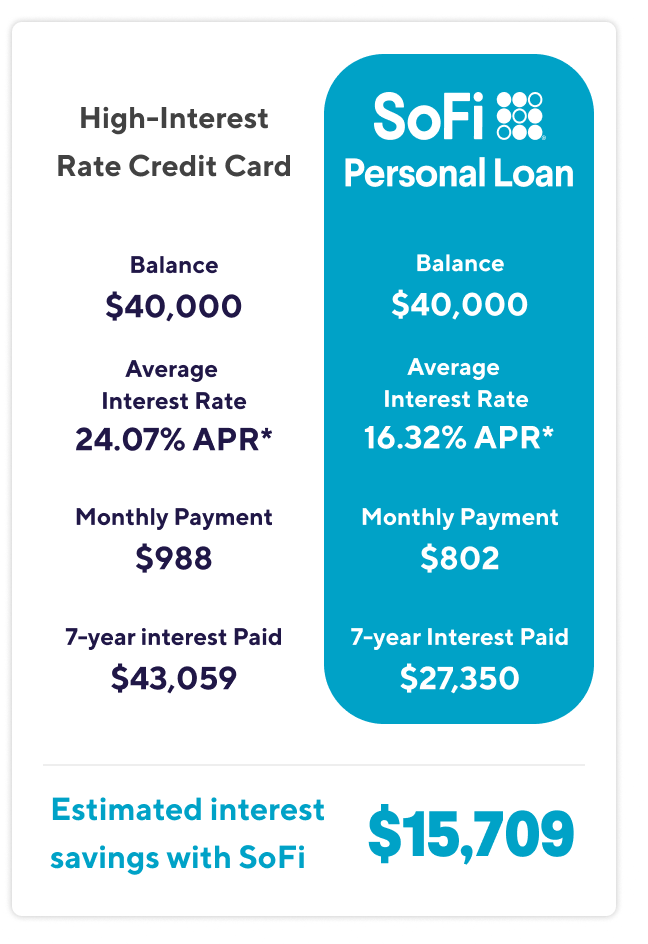
The distinction in between a personal debt consolidation loan and a nonprofit management plan is substantial for anyone looking to support their finances in the surrounding area. A consolidation loan is basically a brand-new credit line used to settle existing ones. While this can streamline payments, it often requires a high credit report to secure a beneficial rate. On the other hand, a DMP organized through a company approved by the U.S. Department of Justice does not count on taking out brand-new debt. Instead, it relies on the firm's existing partnerships with financial organizations to reduce expenses on present balances.
Knowledge in Debt Management provides a clear benefit for people having problem with high-interest retail cards or unsecured individual loans. These programs are developed to be available to a large range of earnings levels throughout the United States. Since the agencies are nonprofits, their primary goal is the effective completion of the financial obligation payment strategy rather than the generation of make money from interest spreads or origination charges. This alignment of interests is a trademark of the 2026 financial services sector.
Digital tools have actually also altered how these strategies operate. Many programs now incorporate directly with digital banking apps, supplying real-time tracking of how each payment reduces the principal balance. This openness helps preserve the discipline required to finish a multi-year strategy. In South Bend Indiana Debt Management, neighborhood groups frequently partner with these firms to provide the essential local context, ensuring that the monetary recommendations represent regional cost-of-living variances.
The Function of Nonprofit Assistance in Regional Finance
Nonprofit credit counseling companies provide a suite of services that extend beyond easy debt repayment. In 2026, these companies remain the requirement for pre-bankruptcy therapy and pre-discharge debtor education. This regulative oversight ensures that the guidance supplied satisfies stringent federal standards. For those in South Bend Indiana Debt Management, this implies getting a budget plan analysis that looks at the entire financial photo, consisting of housing expenses and long-lasting cost savings goals.
Executing Professional Debt Management Services helps many households avoid the most drastic financial procedures, such as applying for bankruptcy. HUD-approved housing counseling is typically offered through the exact same companies, enabling for an unified method that protects homeownership while resolving customer financial obligation. These firms run nationwide, yet they maintain regional connections through a network of independent affiliates. This structure allows a citizen in any state to get personalized attention while benefiting from the scale of a nationwide nonprofit company.
Financial literacy remains a cornerstone of these programs. Rather of just fixing the instant issue, therapists focus on teaching the underlying principles of money flow management and credit use. This academic element is often delivered through co-branded partner programs with regional employers or community colleges. By the time an individual completes their management plan, they typically have a much deeper understanding of how to use credit properly in a digital-first economy.
Long-Term Benefits of Payment Enhancing
The main goal of enhancing monthly payments is to reclaim control over one's discretionary income. When numerous high-interest accounts are active, a big part of every dollar approaches interest instead of principal. By working out these rates down-- in some cases to zero or near-zero percentages-- the repayment timeline is cut by years. This effectiveness is what enables households in South Bend Indiana Debt Management to pivot from debt payment to wealth structure.
Individuals looking for Debt Management in South Bend ought to try to find agencies that provide a clear cost structure and a history of successful creditor negotiations. The 2026 market is full of for-profit financial obligation settlement business that may promise quick outcomes but often leave the consumer in a worse position due to high costs and aggressive methods. The 501(c)(3) nonprofit model stands apart by offering totally free initial therapy and capped regular monthly fees for those who choose to get in a management program.
Success in these programs is often determined by the shift of the consumer from a state of financial stress to one of stability. As the final payments are made, the counseling firm often assists with the next actions, such as reconstructing a credit report or developing an emergency fund. This holistic method is why nonprofit debt management stays a favored course for citizens across the country who are serious about their financial future.
Effectiveness in 2026 is not practically moving much faster; it has to do with moving smarter. By combining obligations into a single payment and benefiting from negotiated interest decreases, customers can manage their financial obligation without the weight of consistent collection calls or the worry of escalating balances. The procedure offers a structured, predictable course towards monetary independence that respects the budget plan of the person while fulfilling the requirements of the financial institution.

Latest Posts
How Your Area Families Avoid the Financial Obligation Cycle
:max_bytes(150000):strip_icc()/best-personal-loans-for-debt-consolidation-4779764-FINAL-1-3-27966a22e0ea417ab5a0f1274c10f529.png)
The Link Between Mental Health and Personal Debt

Benefits and drawbacks of Combination for Modern Debtors